Newsletter Subscribe
Enter your email address below and subscribe to our newsletter

 ByJohn A
Switching from liquid shampoo to a solid alternative can make a simple hair-care routine feel a little different. A shampoo bar takes up less space, does not require a traditional bottle, and can be convenient to keep at home or pack for a trip.
A natural shampoo bar can be an option for people who want to explore a solid hair-cleansing product. The important part is choosing a bar that fits your hair type, washing routine, and personal preferences rather than selecting one based only on the word “natural.”
Liquid shampoo has been a standard part of hair care for years, but solid shampoo bars offer a different format. Instead of dispensing shampoo from a bottle, you work the bar with wet hair or wet hands and create the lather needed for cleansing.
The compact format can be convenient in smaller bathrooms because a bar generally requires less storage space than a bottle. It can also be easier to pack when traveling, particularly when you want to avoid carrying liquid products.
A solid bar can also be stored alongside other bar-based personal-care products, creating a simple setup for everyday use.
See also: Why Businesses Need Reliable Computer Memory Solutions
The right shampoo depends partly on what your hair needs. Hair can be fine, thick, curly, straight, dry, oily, or somewhere in between, and different people may prefer different levels of cleansing and moisture.
Before buying a bar, think about how your hair usually feels after washing. If it tends to feel dry, you may want to look for a formula intended to provide a more conditioning feel. If your scalp becomes oily quickly, you may prefer a bar designed for regular cleansing.
The goal is to find a product that fits your existing routine instead of changing everything at once.
Not every solid shampoo product is formulated in exactly the same way. Some bars focus primarily on cleansing, while others are designed with a more nourishing or moisturizing feel.
A shampoo bar soap can be an option for shoppers who prefer a bar format for hair care. When comparing products, look at the ingredients and the manufacturer’s directions to understand how the particular bar is intended to be used.
If your hair often feels dry after washing, a moisturizing shampoo bar may be worth considering. The name alone should not determine your choice, though. Check the product information and consider whether its intended use matches your hair-care needs.
Using a shampoo bar can require a slightly different technique from using liquid shampoo.
Start by thoroughly wetting your hair. Depending on the product instructions, you can either rub the bar between wet hands to create lather or apply it directly to the hair.
Use enough product to cleanse the scalp and hair without repeatedly applying the bar simply to create more foam. Massage gently and rinse thoroughly.
If you are trying a new bar for the first time, give yourself a few washes to become familiar with the application process. You may find that you need less product than expected.
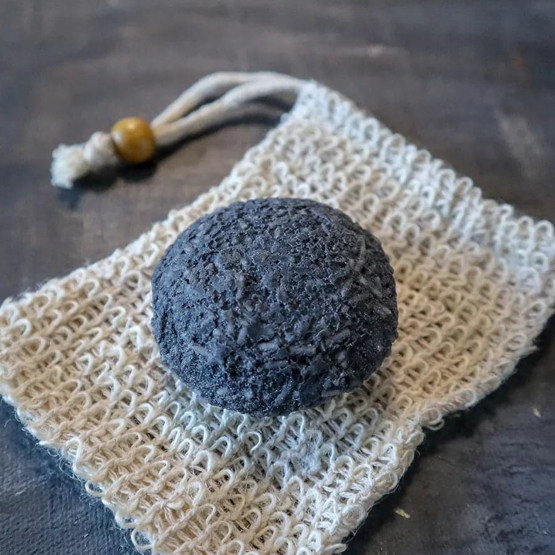
One of the easiest ways to extend the useful life of a shampoo bar is to store it properly between uses.
Leaving a wet bar sitting in a pool of water can cause it to soften faster. Instead, place it somewhere that allows excess water to drain away and lets the bar dry between washes.
A draining soap dish or similar storage setup can help. The same principle applies to other solid personal-care products. Keeping bars dry when they are not being used can make them easier to handle and store.
If you travel with your shampoo bar, allow it to dry before placing it inside a closed container whenever possible.
Reading the ingredient list can tell you more about a shampoo bar than its marketing description alone. Look for ingredients that align with your preferences and consider whether you have previously reacted to any particular ingredients.
A natural product can contain a variety of plant-based ingredients, oils, extracts, or other components. Natural does not automatically mean that a product will suit every person, so individual preferences and sensitivities still matter.
If you are unfamiliar with an ingredient, check the manufacturer’s product information before using the bar regularly.
Solid hair-care products can be particularly convenient for travel. A bar takes up relatively little space and does not need to be packed as a liquid bottle.
For short trips, a shampoo bar can simplify your toiletry bag. It can also be useful for travelers who prefer to keep their luggage compact.
The main consideration is storage. A bar should be kept clean and dry between uses, particularly when it will be placed back into a travel container.
A small breathable or draining storage solution can make this easier.
Once someone becomes comfortable with a solid shampoo bar, they may also explore other products in bar form.
For example, solid cleaning products can be useful in the kitchen. A solid dish soap provides another alternative to conventional liquid products and can be stored in a similar way.
Keeping solid products organized is fairly simple when each item has a designated dry storage area. This prevents wet bars from sitting together and makes it easier to reach for the right product.
Changing hair-care products can sometimes feel different at first. The texture of the lather, the way the hair feels during washing, and the amount of product needed may all differ from what you are accustomed to.
Rather than judging the bar immediately after one use, pay attention to how your hair and scalp feel across several washes. Follow the product directions and avoid using excessive amounts in an attempt to recreate the experience of liquid shampoo.
If a product causes persistent irritation or discomfort, discontinue use and consider seeking advice from a qualified healthcare professional.
A good shampoo bar should fit naturally into the way you already care for your hair. Think about your hair type, preferred cleansing level, ingredients, storage requirements, and how often you wash.
Someone with dry hair may focus more heavily on conditioning characteristics, while someone who washes frequently may prioritize a bar intended for regular use. Travel habits can also influence the decision.
There is no single shampoo bar that works the same way for everyone. The better approach is to compare the available information and choose a formula that matches your own needs.
Moving from liquid shampoo to a bar does not require a complicated routine. Wet your hair, use the bar according to its directions, rinse thoroughly, and store the bar somewhere dry after use.
The biggest adjustment is often simply learning how much product you actually need. With a little practice, the process can become just as familiar as using bottled shampoo.
For anyone interested in trying a different hair-care format, a natural shampoo bar offers a compact alternative worth exploring. A thoughtful choice based on hair type, ingredients, usage instructions, and storage can make the transition much easier.