Newsletter Subscribe
Enter your email address below and subscribe to our newsletter

 ByJohn A
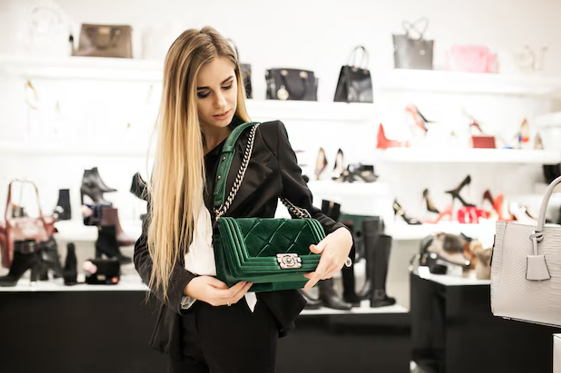
Designer fashion can be expensive, but buying pre-owned pieces creates another path to owning distinctive handbags, accessories, and other luxury items. Luxury consignment stores give shoppers access to previously owned designer pieces that may no longer be available through traditional retail channels. The appeal goes beyond finding a recognisable label. A well-chosen pre-owned piece can offer character, craftsmanship, and a style that feels less predictable than buying directly from a current-season collection.
A little preparation can make a shopping session far more productive. Designer resale collections can include different brands, eras, colours, materials, and conditions, so browsing without a clear idea of your preferences can quickly become overwhelming.
Start by identifying the features that matter most to you. Consider the type of handbag or accessory you will actually use rather than choosing something solely because it carries a famous name.
Useful starting points include:
Having these preferences in mind makes it easier to recognise a suitable piece without being distracted by every attractive option.
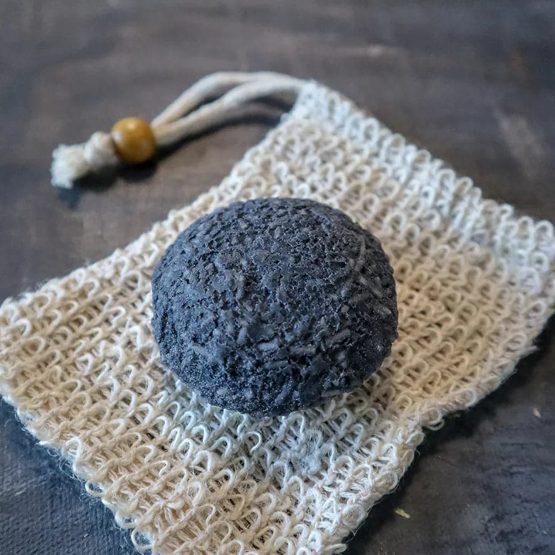
See also: What to Look for When Choosing a Natural Shampoo Bar
A designer name alone does not tell you everything about a handbag. Each brand has its own design language, materials, hardware, construction techniques, and model variations.
Some handbags may have been produced for several years with subtle changes between editions. Hardware finishes, interior layouts, colours, lining materials, and closures can vary depending on the production period.
Researching a particular model before buying can help you recognise these details. Look at reliable photographs and product references that show the item from multiple angles.
This type of research can also help you distinguish between different sizes or versions of a similar design. A bag may look almost identical to another model at first glance but have different dimensions, pockets, straps, or hardware.
Pre-owned fashion naturally carries signs of previous use. Minor scratches, softened leather, light hardware marks, or gentle creasing may be expected. More serious issues require closer consideration.
Examine the entire item rather than focusing on its most attractive angle. Pay attention to areas that experience frequent contact, including corners, handles, straps, closures, and the base.
Look for:
A used item does not need to look untouched to be worthwhile. The goal is to understand its actual condition and decide whether it suits your expectations.
Authenticity should be assessed through several details rather than one feature. Serial numbers, date codes, logos, stitching, materials, hardware, labels, and construction can all provide useful information depending on the brand and model.
Packaging and authenticity cards can add supporting information, but they should not be treated as standalone proof. Accessories can become separated from a handbag, replaced, or lost over time.
A careful assessment considers the entire item and whether its features correspond with the specific model and production period.
For higher-value purchases, independent authentication can provide additional reassurance, particularly when an item has unusual characteristics or limited documentation.
Pricing can vary widely across the pre-owned designer market. Two handbags from the same brand may have very different values because of model, rarity, condition, age, colour, material, accessories, and demand.
Comparing similar listings can give you a better sense of the range. Make sure the comparison is genuinely like-for-like rather than based solely on the brand name.
Consider factors such as:
A rare discontinued colour, for example, should not necessarily be compared directly with a widely available current version of the same general design.
Previous repairs can affect the appearance and character of a designer piece. Restoration is not automatically a negative factor, but buyers should know what has been changed.
Common work may include cleaning, conditioning, recolouring, edge repairs, handle replacement, stitching repairs, or hardware replacement.
A restored item may look significantly different from one that has retained its original finish. For collectors and buyers interested in originality, that distinction can be particularly relevant.
Ask for information about previous restoration whenever possible. Clear disclosure allows you to judge the item based on its current state rather than assumptions about its history.
Older designer pieces often have characteristics that differ from newer collections. Materials may feel different, logos may have changed, and construction techniques can reflect the period in which the item was produced.
Vintage shopping can therefore require a slightly different research process. An older handbag should not automatically be considered suspicious simply because its details differ from a current model.
Useful information to research includes:
Love Lots Luxury offers shoppers an opportunity to explore pre-owned designer pieces with attention to the characteristics that make each item distinct.
A beautiful handbag can still spend most of its life sitting in a wardrobe if it does not suit your routine. Practicality deserves a place alongside appearance.
Think about how often you expect to use the piece and what conditions it will face. A delicate material may require more careful handling than a hard-wearing option. A small evening bag may be perfect for occasional events but unsuitable as an everyday handbag.
Consider whether the item works with your existing wardrobe and whether its size, closure, strap length, and interior storage fit your needs.
A considered purchase starts with knowing what you are buying. Research the model, inspect the condition, check relevant authenticity details, understand any restoration, and compare genuinely similar pieces before making a decision. These steps can make pre-owned designer shopping feel more deliberate and help you choose something that fits your personal style rather than simply following a passing trend.
For shoppers exploring distinctive designer pieces and wanting more information about available items, contact us today to discuss your options with Love Lots Luxury and learn more about the pieces that match your preferences. A handbag with a previous life can have plenty of character, and finding the right one often starts with paying attention to the details.