Newsletter Subscribe
Enter your email address below and subscribe to our newsletter

 ByJohn A
Electrical systems with moderate power requirements often need a transformer that can provide reliable voltage conversion without unnecessary capacity. A 30 kva transformer is commonly used for small commercial properties, workshops, agricultural facilities, residential developments, and light industrial applications.
The transformer selected for a project needs to match the electrical characteristics of the site. Capacity is one consideration, but voltage, phase configuration, installation conditions, cooling, efficiency, and expected load growth also influence the specification.
A transformer rated at 30 KVA can handle up to 30 kilovolt-amperes of apparent power under its specified operating conditions. KVA differs from kilowatts because it accounts for both real and reactive components of an AC electrical load.
For example, with a power factor of 0.8:
30 KVA × 0.8 = 24 kW
At a power factor of 0.9:
30 KVA × 0.9 = 27 kW
Actual operating capacity depends on the transformer’s design, ambient temperature, cooling arrangement, insulation system, and manufacturer’s specifications.
The relatively compact capacity of a 30 kva transformer makes it suitable for installations where the electrical demand is not large enough to justify higher-capacity equipment.
Typical applications include:
The connected equipment should be assessed before selecting the transformer. Motors, compressors, pumps, and other inductive equipment can produce higher starting currents than their normal operating current.
A 30 kva transformer can be supplied in dry-type or oil-filled configurations, depending on the application.
Dry-type transformers use solid insulation and do not require transformer oil. They are commonly considered for indoor installations, commercial buildings, and locations where liquid-filled equipment is unsuitable.
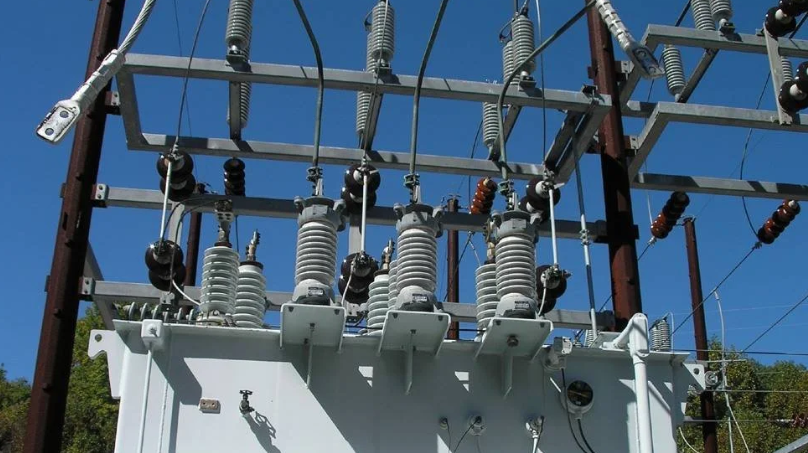
Oil-filled transformers use insulating oil for electrical insulation and heat transfer. They are often used outdoors and in electrical distribution applications where their construction and cooling characteristics are appropriate.
The decision between the two depends on installation conditions, fire-safety requirements, available space, maintenance requirements, and local electrical regulations.
Voltage configuration is one of the first technical details that should be established when specifying a 30 kva transformer.
The primary voltage must correspond to the incoming electrical supply, while the secondary voltage needs to match the distribution system or equipment being supplied.
Other specifications can include:
A three-phase transformer may be appropriate for facilities using three-phase motors and machinery, while single-phase equipment may require a different configuration.
A transformer should be selected based on the site’s actual electrical requirements rather than simply adding the rated wattage of every appliance and machine.
Engineers generally review:
Suppose a workshop currently requires around 20 KVA but plans to add additional machinery within the next year. Installing a transformer with only a small capacity margin could create restrictions later.
At the same time, choosing a transformer that is substantially larger than the actual requirement may increase initial costs and result in inefficient operation at very low loading levels.
Transformers experience electrical losses during operation. These are commonly divided into no-load losses and load losses.
No-load losses occur whenever the transformer is energized, even when the connected load is minimal. Load losses increase as current through the transformer rises.
For facilities where the transformer operates continuously, these losses can contribute to long-term electricity consumption. Comparing efficiency and loss figures before purchase can therefore be useful when evaluating different transformer models.
Operating conditions also matter. A transformer that regularly runs near its rated capacity needs suitable cooling and thermal management.
Installing a 30 kva transformer requires adequate space and appropriate electrical protection. The installation location should allow access for inspection and maintenance while providing suitable ventilation and clearances.
Outdoor installations may require protection from weather, unauthorized access, physical impact, and environmental exposure. Indoor installations need sufficient ventilation to dissipate the heat generated during normal operation.
Grounding is also essential. The transformer enclosure, neutral system where applicable, and associated equipment should be connected to the grounding system according to the applicable electrical standards.
Protective equipment may include circuit breakers, fuses, surge protection, and monitoring devices depending on the design of the electrical installation.
Regular inspection helps identify problems such as loose connections, overheating, insulation deterioration, contamination, or oil leakage.
Oil-filled units may require periodic inspection of oil condition, levels, bushings, seals, and connections. Oil testing may also be performed where required by the maintenance program.
Dry-type transformers should be inspected for dust accumulation, damaged insulation, loose connections, and blocked ventilation openings.
Thermal imaging can help maintenance teams identify unusual temperature increases around terminals and connections. Correcting these issues early can reduce the possibility of equipment damage or unexpected downtime.
Before purchasing a 30 kva transformer, the project specification should clearly define the required electrical characteristics.
Important details include:
The supplier should also provide technical documentation, dimensions, weight, connection details, testing information, warranty terms, and maintenance recommendations.
A 30 kva transformer can be a practical choice for small-scale electrical distribution where the required capacity falls within its operating range. The correct selection depends on the site’s load profile, voltage requirements, installation environment, and future electrical needs.
A detailed load assessment before purchase helps prevent both undersizing and unnecessary oversizing. With the right specifications, installation, protection, and maintenance plan, a 30 KVA transformer can provide dependable voltage conversion for a wide range of commercial, agricultural, residential, and light industrial applications.