Newsletter Subscribe
Enter your email address below and subscribe to our newsletter

 ByJohn A
Missing or failing teeth can affect much more than your appearance. They can make eating uncomfortable, influence how you speak, and make you feel less confident about smiling. For people considering a long-term tooth replacement option, dental implants can provide a stable foundation designed to restore both function and appearance.
For patients researching affordable dental implants in Fort Worth, understanding the treatment process, available options, materials, and provider expertise is an important first step. A qualified dental implant provider should evaluate your oral health, jawbone condition, treatment goals, and overall needs before recommending a specific approach.
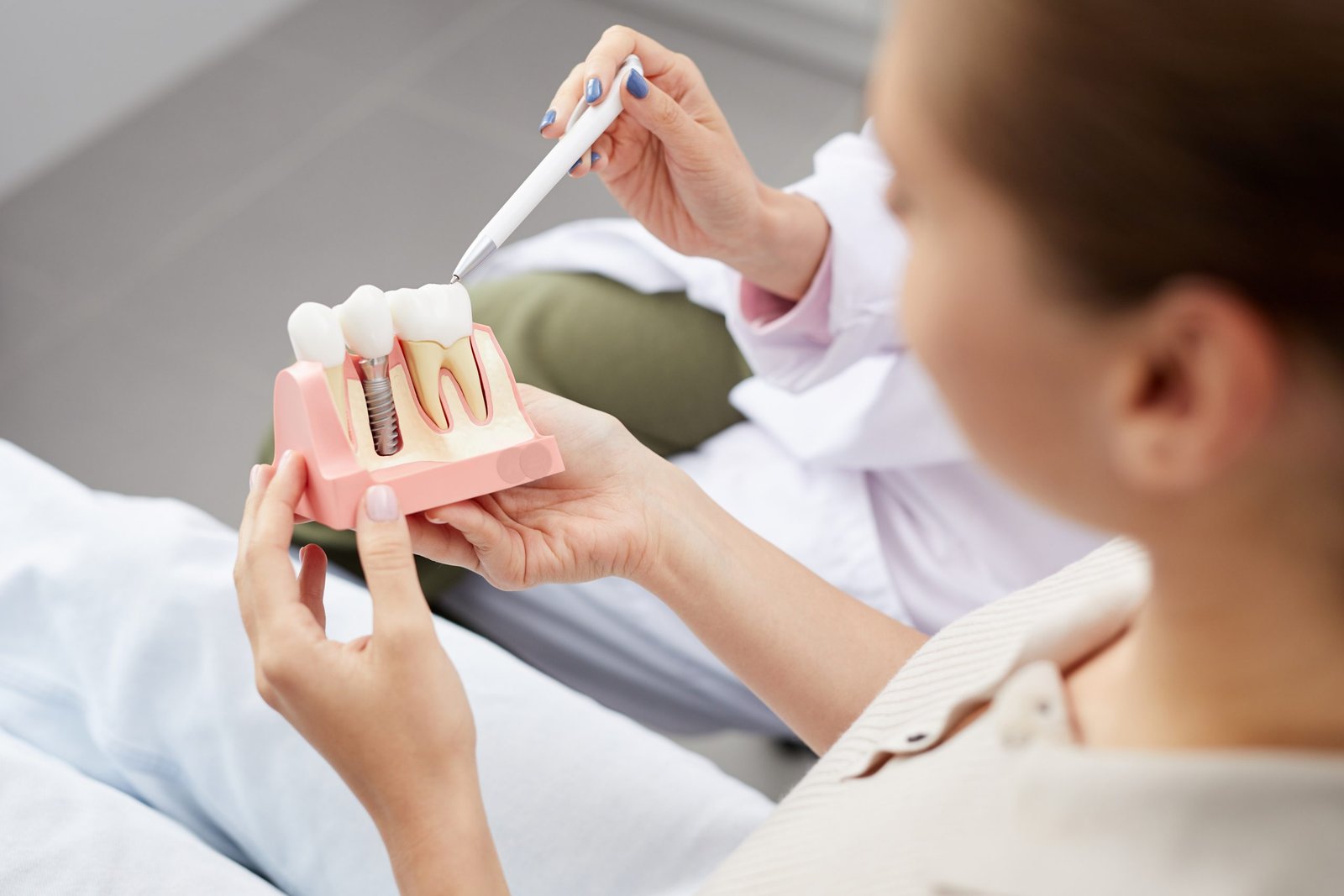
Dental implants are designed to replace missing tooth roots and provide support for replacement teeth. Unlike traditional removable dentures, implants are anchored into the jawbone, creating a stable foundation for a crown, bridge, or full-arch restoration.
The implant treatment process can vary significantly depending on how many teeth need to be replaced and whether additional procedures are necessary. A personalized evaluation helps determine which approach is appropriate.
One of the primary advantages of dental implants is stability. Because the implant is secured within the jawbone, the resulting restoration can feel more secure than removable dentures.
This stability can support everyday activities such as eating and speaking. Proper oral hygiene and regular professional dental care are also important for maintaining the health of the surrounding tissues and the longevity of the restoration.
Modern implant dentistry focuses on more than simply replacing missing teeth. The shape, proportions, color, and overall appearance of the restoration can be planned around the patient’s smile.
Better Teeth Now highlights custom zirconia restorations and in-house milling capabilities as part of its approach to full-mouth implant treatment.
Choosing an implant provider is an important decision because treatment can involve several stages, from diagnosis and treatment planning to implant placement and final restoration.
Patients should look beyond cost alone and consider the provider’s experience, technology, treatment options, materials, and approach to patient care.
Dental implant treatment requires careful planning and surgical precision. When comparing providers, patients can review the dentist’s education, experience, implant training, and professional involvement.
Better Teeth Now identifies Dr. Clark Damon as a dental implant specialist and notes his experience with full-mouth implant treatment, All-on-4 procedures, and advanced implant techniques. The practice also states that Dr. Damon trains other dentists in permanent same-day dental implant techniques.
Accurate treatment planning is another important consideration. Digital imaging and three-dimensional diagnostics can help dentists evaluate the jawbone, anatomical structures, and implant positioning before treatment.
The Fort Worth location states that it uses Cone Beam CT technology and digitally guided treatment planning to support implant placement and treatment planning.
Dental implant treatment is not limited to replacing one missing tooth. Depending on a patient’s needs, several implant-supported solutions may be considered.
A single dental implant can replace an individual missing tooth without requiring neighboring teeth to support the restoration. The implant serves as the artificial root, while a custom crown provides the visible replacement tooth.
This approach may be considered when one tooth is missing and the surrounding oral structures are suitable for implant treatment.
Patients with multiple missing, failing, or severely damaged teeth may need a broader restoration strategy. Full-arch implant solutions can use strategically positioned implants to support a complete set of replacement teeth.
All-on-4 is one approach used in full-arch implant dentistry. The Fort Worth practice specializes in full-mouth implant solutions and advanced All-on-4 treatment.
Not every patient has the same bone structure or clinical requirements. Some patients may have been told that they lack sufficient bone for conventional implant treatment.
Advanced implant techniques, including zygomatic and pterygoid implants, may provide additional treatment possibilities for appropriately selected patients. A comprehensive examination is necessary to determine whether these options are suitable.
Understanding the treatment journey can make the decision-making process easier. Although every treatment plan is different, implant treatment generally involves several key stages.
The process begins with an evaluation of your oral health and treatment goals. Your provider may use digital scans or imaging to assess your teeth, jawbone, and other anatomical structures.
During the consultation, you can also discuss the number of teeth that need replacement, restoration options, sedation preferences, expected treatment timeline, and financial considerations.
During implant surgery, the implant posts are placed into the jawbone according to the treatment plan. Depending on the procedure, temporary teeth may be provided while the implants heal.
The Fort Worth team describes a treatment process that includes consultation, surgery, temporary crowns, healing, and delivery of the final custom restoration.
After the appropriate healing period, the final restoration can be attached to the implants. The restoration is designed to provide the desired combination of function, stability, and appearance.
Better Teeth Now states that its in-house laboratory produces custom zirconia implant bridges, allowing the team to coordinate treatment and restoration within the same practice.
The cost of dental implants can vary considerably from patient to patient. There is no single price that applies to every implant treatment because several factors influence the overall investment.
Replacing one tooth generally involves a different treatment plan from replacing an entire arch or both arches. The number of implants, type of restoration, laboratory work, and surgical requirements can all affect the total cost.
Bone condition, existing teeth, gum health, previous dental treatment, and the type of implant restoration can influence treatment complexity.
A detailed consultation is therefore more useful than relying on a general online price. Better Teeth Now states that it offers flexible financing options and can review insurance benefits and payment options during the consultation.
Searching for dental implants near me can produce many options, but location should not be the only factor used to choose a provider.
Look for a dental practice that provides clear information about its implant experience, available procedures, technology, restorative materials, and treatment planning process.
It is also useful to determine whether the practice offers the specific type of treatment you are considering, such as single implants, full-arch restoration, All-on-4, or advanced implant procedures.
Dental anxiety is common, and patients should feel comfortable discussing sedation and pain-management options with their dental team. Better Teeth Now lists IV sedation as an available option for eligible patients.
You should also ask how follow-up appointments are handled and who will manage the different stages of treatment.
A consultation should give you an opportunity to understand the recommended treatment rather than simply receive a price.
Ask why a particular implant solution has been recommended, how many implants may be required, what type of restoration will be used, and what the expected treatment timeline looks like.
Ask what material will be used for the final restoration, how it should be maintained, and what professional follow-up will be required.
If cost is an important consideration, ask about insurance benefits, financing, payment schedules, and what is included in the quoted treatment plan.
Dental implants are designed as a long-term tooth replacement solution. With appropriate oral hygiene, regular dental visits, and proper maintenance, implants can remain functional for many years. The implant and the visible restoration may have different maintenance and replacement considerations.
Implant treatment is performed with anesthesia, and sedation may be available depending on the patient’s needs and the procedure. Discomfort and recovery vary from person to person, so your dental provider should explain what to expect before treatment.
Treatment time varies according to the patient’s individual condition and treatment plan. In selected cases, a temporary new smile may be provided on the day of surgery. The final restoration is completed after the appropriate healing period.
Some patients with limited bone may still have implant treatment options. Advanced procedures, including zygomatic and pterygoid implants, may be considered for appropriately selected patients. A detailed examination and imaging are required to determine candidacy.
Patients interested in implant treatment can explore Texas Implant & Dental Center to learn more about the practice, its Fort Worth location, implant services, treatment approach, and consultation process.
Dental implants can offer a stable and long-term approach to replacing missing or failing teeth, but choosing the right treatment requires more than comparing prices. Provider experience, treatment planning, technology, restoration materials, comfort options, and ongoing care should all be considered.
For patients exploring dental implants in Fort Worth, a personalized consultation can help determine which solution fits their oral health, goals, and budget. A thorough evaluation also provides an opportunity to understand the treatment timeline, available implant options, restoration materials, and financing choices before making a decision.