Newsletter Subscribe
Enter your email address below and subscribe to our newsletter

 ByJohn A
Natural light can make a noticeable difference to the way a building is used. Warehouses, workshops, offices, retail units, and other commercial spaces often have large roof areas that receive plenty of sunlight but do little to illuminate the interior. Rooflight systems provide a way to bring some of that available daylight indoors.
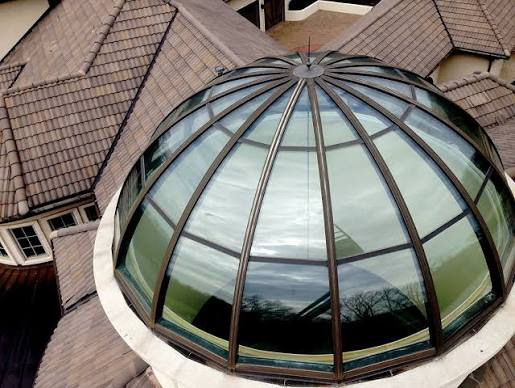
Among the available options, polycarbonate roof light domes are widely suited to buildings where durability, light transmission, and practical installation all matter. Their curved shape and polycarbonate construction make them useful for a range of roof configurations, particularly flat and low-pitched roofs.
A rooflight dome is designed to capture daylight through the roof rather than relying only on windows positioned around the walls. This can be particularly useful in deep buildings where natural light from the sides cannot reach the centre of the interior.
The raised profile of a dome can also help increase the amount of sky exposure compared with a flat rooflight. Depending on its design and orientation, this can allow useful daylight to enter the building for much of the day.
For large commercial interiors, distributing several rooflight domes across the roof can help create more even illumination instead of concentrating daylight in one location.
Polycarbonate is a strong thermoplastic material commonly used in applications where impact resistance and relatively low weight are desirable.
Rooflights are exposed to changing weather conditions throughout their service life. Rain, wind, temperature fluctuations, airborne debris, and occasional impact can all place demands on the material.
Polycarbonate can provide a practical balance between strength and weight. Its lower weight compared with some alternative glazing materials can also simplify handling during installation, although the complete rooflight system still needs to meet the structural requirements of the building.
The actual performance depends on the grade, thickness, design, and manufacturing quality of the polycarbonate used.
One of the main advantages of roof-mounted daylighting is its ability to illuminate areas that windows may struggle to reach.
Consider a warehouse with tall shelving positioned well away from the external walls. Windows may provide good light around the perimeter but leave central areas comparatively dark. Rooflight domes positioned across the roof can distribute daylight from above.
This approach can reduce dependence on artificial lighting during suitable daytime conditions. The amount of energy saved will vary according to the building, lighting controls, occupancy schedule, weather, and rooflight area.
Daylight can also make interior spaces feel less enclosed, particularly in buildings with limited wall glazing.
The dome shape is not simply a visual choice. Its curved surface can help expose the rooflight to daylight from different angles.
A flat rooflight receives light based more directly on the angle of the glazing relative to the sky. A curved dome can collect light across a wider range of angles, depending on its geometry.
This can be useful throughout the day as the position of the sun changes.
The raised profile may also create additional space between the glazing and the roof opening, allowing the rooflight assembly to be designed around appropriate flashing and drainage details.
Daylight is useful, but uncontrolled sunlight can create problems. Excessive solar heat can increase cooling requirements, while direct sunlight can produce uncomfortable glare.
The solution is not necessarily to reduce daylight as much as possible. Instead, the rooflight specification should balance light transmission with solar control and the building’s thermal requirements.
Different polycarbonate products and rooflight designs can provide different optical and thermal characteristics. The appropriate choice depends on factors such as building orientation, climate, internal activity, roof area, and existing heating or cooling systems.
In offices or other spaces containing computer screens, glare needs particular attention. In warehouses or workshops, the priorities may be different.
Polycarbonate roof light domes can be considered across a variety of building types.
Warehouses: Large roof areas provide plenty of opportunity for distributed daylighting.
Workshops: Rooflights can improve general visibility across working areas.
Industrial facilities: High ceilings and large floor areas can make roof-mounted daylighting particularly useful.
Retail buildings: Natural light can contribute to a brighter and more welcoming interior.
Offices: Carefully planned rooflights can provide daylight to areas that are distant from exterior walls.
Agricultural and utility buildings: Rooflight domes can introduce daylight into structures where conventional windows may not be practical.
The appropriate design varies with each application, so the rooflight’s size, spacing, glazing characteristics, and installation method should be considered alongside the building’s purpose.
A high-quality rooflight can still perform poorly if the surrounding installation is not handled correctly.
The roof opening needs to be properly prepared, and the rooflight must be securely fixed to the supporting structure. Flashing and sealing details need to prevent water from entering around the opening.
Drainage is another consideration. Water should be directed away from joints and vulnerable areas rather than being allowed to collect around the rooflight.
Compatibility with the existing roof system is also important. A rooflight installed on a membrane roof, metal roof, or another roof construction may require different detailing.
Professional installation helps ensure the rooflight forms part of the roof system rather than becoming a weak point within it.
Rooflight domes are exposed to the same environmental conditions as the rest of the roof. Dust, dirt, leaves, pollution, and other debris can gradually reduce light transmission.
Regular inspections can identify damaged glazing, deteriorated seals, loose fixings, or problems with surrounding roofing materials before they develop into larger issues.
Cleaning requirements depend on the building’s location and roof accessibility. Facilities near industrial areas or busy roads may accumulate dirt more quickly than buildings in cleaner environments.
Maintenance access should be considered when the rooflight system is designed and installed.
Several factors deserve attention before specifying a rooflight dome:
The goal should be to select a system that suits the entire roof rather than choosing a rooflight based only on its appearance or initial cost.
For buildings with substantial roof space, polycarbonate roof light domes can provide a practical route to bringing more natural light indoors. Their combination of durability, relatively low weight, curved geometry, and useful light transmission makes them suitable for many commercial and industrial applications.
The best results come from treating the rooflight as part of the complete building system. Proper positioning, glazing selection, structural support, waterproofing, and maintenance all contribute to long-term performance.
When those details are considered from the start, rooflight domes can provide dependable daylight while reducing the need for artificial lighting during suitable daytime conditions.