Newsletter Subscribe
Enter your email address below and subscribe to our newsletter

 ByJohn A
A commercial roof does far more than cover a building. It shields equipment, inventory, work areas, electrical systems, and interior finishes from weather exposure. A small defect can become a much larger building problem when water reaches insulation, ceilings, walls, or mechanical equipment.
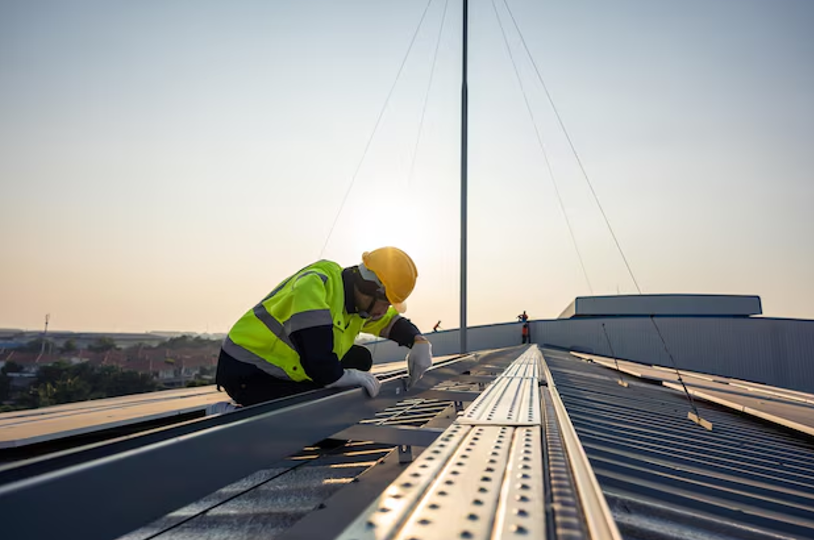
For property managers, regular roof care is a practical part of protecting the building itself. Professional commercial roofing services can help identify developing concerns, assess existing conditions, and address problems before they interfere with normal operations.
Every commercial building has different roofing needs. A low-slope membrane roof on a warehouse will face different conditions than a roof over an office, retail center, restaurant, or industrial facility.
The age and construction of the roof matter, but so do the surrounding conditions. Nearby trees, rooftop equipment, drainage patterns, foot traffic, and previous repairs can all affect performance.
Property records should include basic information about the roofing system, previous repairs, installation documents, warranties, and known problem areas. Having this information available makes future maintenance decisions more organized and gives contractors useful background before an inspection.
Roof damage does not always appear as an obvious hole or major leak. Water can enter through deteriorated seams, damaged flashing, blocked drainage points, cracked surfaces, or areas where previous repairs have failed.
Interior signs can provide useful clues. A ceiling stain may appear far from the point where water originally entered because moisture can travel through roofing assemblies and building materials.
Property teams should watch for signs such as:
A single warning sign does not always reveal the full cause. Professional assessment can help determine whether the issue is isolated or connected to a broader roofing problem.
Water is one of the biggest concerns for many commercial roofing systems. A roof needs a reliable path for rainwater to leave the surface. Drains, gutters, scuppers, downspouts, and related components all contribute to that process.
Blocked drainage can allow water to remain on the roof longer than intended. Debris from trees, construction activity, dirt, and other materials can restrict drainage points.
Routine maintenance should include attention to areas that commonly collect debris. Teams can monitor drainage components for:
Persistent ponding deserves professional attention, particularly when it occurs repeatedly in the same location.
Commercial roofs often contain HVAC units, vents, pipes, electrical equipment, communications systems, and other installations. Each penetration or piece of equipment creates an area that may require additional attention.
Work performed on rooftop equipment can also affect nearby roofing materials. Contractors accessing equipment may walk across areas not designed for regular foot traffic or accidentally damage protective surfaces.
Facility Network can help property teams consider roofing conditions as part of broader facility maintenance rather than treating the roof as an isolated building component. Coordinating roof observations with HVAC, plumbing, electrical, and exterior maintenance records can provide a clearer picture of the property’s condition.
A visible leak is not necessarily the location where water entered the building. Applying a quick patch to the interior stain may temporarily hide the symptom without addressing the roof defect.
The same principle applies to exterior repairs. A damaged section may be connected to failing flashing, drainage problems, movement, deteriorated materials, or an earlier repair that did not resolve the original issue.
Before approving repair work, property managers should understand:
Clear documentation makes it easier to compare repair recommendations and track recurring issues.
Commercial roofs can experience significant wear from unnecessary foot traffic. Maintenance personnel, equipment contractors, inspectors, and other workers may need access, but uncontrolled traffic can damage roofing materials or protective surfaces.
Building managers can reduce avoidable wear by establishing designated access routes and communicating roof-access expectations to contractors.
A practical roof-access policy may cover:
Equipment placed on the roof should also be reviewed periodically. Supports, mounts, walk pads, and protective materials need to remain in suitable condition.
See also: How Roof Light Windows UK Can Transform Your Living Space
Sun, wind, rain, hail, temperature changes, and severe storms can all affect commercial roofs. The extent of exposure varies based on geographic location, building design, roof materials, and surrounding structures.
After significant weather events, a visual review can help identify obvious damage. Some problems may not be visible from ground level, particularly around seams, penetrations, flashing, drainage components, and rooftop equipment.
Storm-related concerns should be documented promptly. Useful records may include:
These details can help establish what changed and where additional evaluation may be appropriate.
A roof rarely develops problems without leaving some history. Previous leaks, repairs, drainage issues, equipment installations, and recurring trouble spots can provide valuable information.
A well-maintained roofing file can include:
Consistent documentation can help property managers distinguish between isolated maintenance needs and recurring conditions that may require broader attention.
Repairing a damaged area may be appropriate when the roofing system remains in suitable overall condition. However, repeated repairs can sometimes indicate that the underlying system requires a broader evaluation.
The decision should consider the roof’s overall condition rather than focusing only on the latest leak. Property teams may review factors such as:
A professional evaluation can help property owners understand the available options without committing to unnecessary work.
Roof maintenance should have a place in broader facility planning. Building owners already track HVAC equipment, electrical systems, plumbing, fire protection, and exterior conditions. The roof deserves similar attention because problems above the occupied space can eventually affect many systems below it.
Regular observations, documented repairs, controlled roof access, clear drainage paths, and professional evaluations can help property teams stay aware of changing conditions.
A commercial roof does not need to be a source of constant concern. It does require consistent attention and sensible maintenance decisions. For property owners and managers reviewing their building maintenance plans, contact us today to discuss available facility support and determine practical next steps for protecting the property.