Newsletter Subscribe
Enter your email address below and subscribe to our newsletter

 ByJohn A
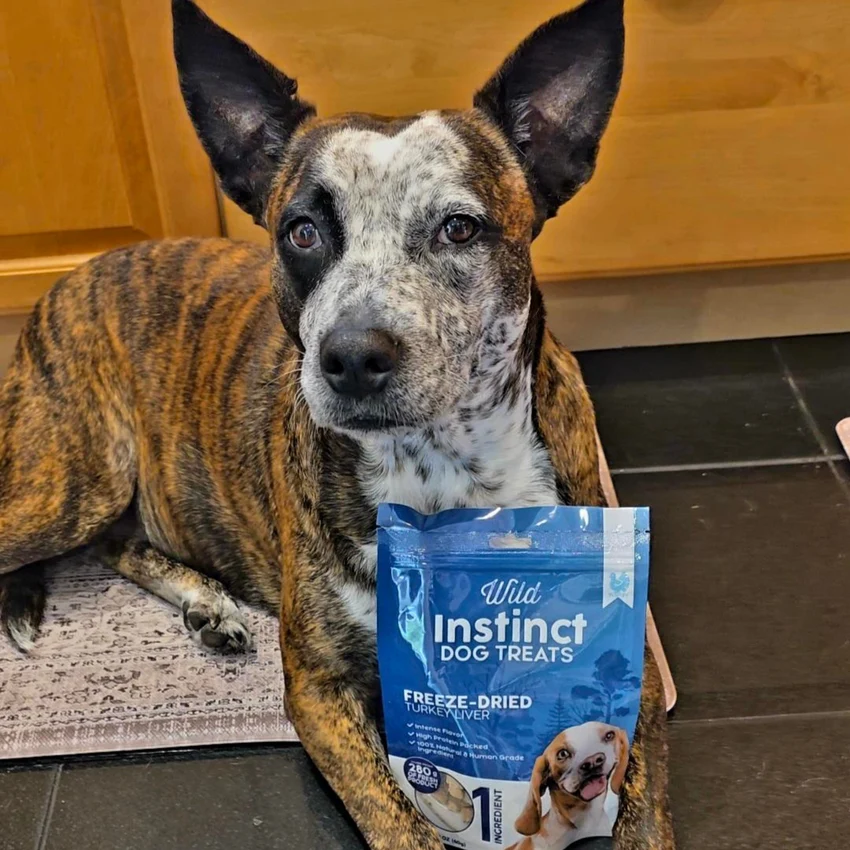
Treats made from real meat can add variety to a dog’s routine, especially during training or as an occasional reward. Wild Instinct Pet offers turkey liver treats made from a single animal ingredient, giving pet parents a straightforward option for dogs that enjoy rich meat flavors. Turkey liver for dogs can provide naturally occurring protein, iron, vitamin A, and several B vitamins. Since liver is nutrient-dense, serving size matters just as much as ingredient quality. Choosing a product with a clear ingredient list, suitable preparation method, and practical feeding guidance can help pet parents make an informed choice for their dog’s daily routine.
Turkey liver is an organ meat with a naturally rich nutrient profile. It contains protein along with vitamins and minerals that support normal body functions. Liver naturally provides nutrients such as vitamin A, vitamin B12, iron, folate, and other B vitamins. These nutrients can be part of a dog’s overall nutritional intake, but liver should not replace a complete and balanced dog food.
The strong smell and savory taste of liver can also make it appealing to many dogs. This can be useful during training because a flavorful reward may help maintain a dog’s interest during repeated practice. Small pieces can also be offered as an occasional snack or used to add variety to a dog’s regular routine.
The quality of a liver treat depends on more than the name printed on the package. Pet parents should check the ingredient list, preparation method, nutritional information, and feeding instructions before choosing a product. A clearly stated ingredient list makes it easier to understand exactly what the dog is eating.
A simple recipe can be especially appealing to owners who prefer fewer ingredients. Look for clearly identified turkey liver and check whether the product contains unnecessary fillers, artificial flavors, colors, or other additions. The package should also provide useful information about storage and serving amounts.
Other details worth checking include:
These details give pet parents a better idea of how the treat can fit into their dog’s regular routine.
Fresh liver contains a high amount of moisture, which makes it perishable and harder to store. Freeze-drying removes much of that moisture and creates a lightweight treat with a different texture. This can make liver easier to keep on hand and portion throughout the day. A freeze-dried piece does not always need to be served whole. Pet parents can break larger pieces into smaller portions for training or crumble them over a regular meal. This flexibility can be useful because the same treat can serve different purposes without requiring a large serving.
Wild Instinct Pet uses a freeze-dried preparation for its turkey liver treats and keeps the recipe focused on a single animal ingredient. This gives owners a straightforward option for dogs that enjoy the taste of organ meat.
A long ingredient list can make it harder for pet parents to understand what a treat actually contains. A single-ingredient product is more straightforward because the main component is clearly identified. This can be useful for owners who prefer simple food choices for their dogs or need to keep track of ingredients. It can also make it easier to compare different treats based on what they actually contain rather than relying only on packaging claims.
However, ingredient simplicity does not mean every treat is suitable for every dog. Dogs with food allergies, digestive problems, or veterinary dietary restrictions may need specific food choices. A veterinarian can provide guidance when a dog has a known medical or nutritional concern.
Liver has a strong natural aroma, which can make it appealing as a training reward. A small piece can be given after a dog performs a desired behavior, helping connect the behavior with a positive reward. There is no need to give a large piece after every successful command. Breaking the treat into smaller pieces can allow more rewards during a training session while helping keep the total amount under control.
Turkey liver can be used during basic obedience training, recall practice, leash training, crate training, or simple enrichment activities. The size of each piece can be adjusted according to the dog and the type of training being performed.
Liver is nutrient-dense, so feeding large amounts is not a good way to provide additional nutrition. It contains significant levels of vitamin A, and excessive intake over time can cause nutritional problems. Treats should remain a small part of a dog’s overall diet. The right amount can vary based on the dog’s size, age, activity level, health, and regular food. Following the feeding directions provided with the product can help pet parents avoid giving more than necessary. When introducing a new liver treat, start with a small amount and observe how the dog responds. Dogs with specific health conditions or dietary requirements may need individualized feeding advice from a veterinarian.
The package label can tell you a great deal about a dog treat. Start with the ingredient list and make sure the type of meat is clearly identified. Next, check how the liver has been prepared and whether the product requires any special storage. Nutritional information can also help put the treat into context. Protein, fat, fiber, and moisture information can give owners a clearer idea of what the product contributes to the dog’s diet. Feeding instructions are equally useful because they help pet parents determine an appropriate amount.
Texture is another practical consideration. Some dogs enjoy crunchy treats, while others may find smaller or softened pieces easier to eat. The dog’s age, chewing ability, and individual preferences can all affect which texture works best. Wild Instinct Pet offers turkey liver treats made with a single animal ingredient and a freeze-dried preparation. This type of straightforward product information can make it easier for pet parents to understand what they are purchasing.
Turkey liver for dogs can provide naturally occurring nutrients, but it should be treated as an addition to a balanced diet rather than a replacement for regular dog food. Organ meat has a concentrated nutritional profile, so feeding too much can interfere with the overall balance of a dog’s diet. A small amount can be used as a reward or occasional treat without becoming a major part of daily food intake. Keeping portions controlled allows pet parents to provide variety while maintaining the dog’s regular feeding routine.
Puppies, senior dogs, and dogs with medical conditions may have different nutritional requirements. Dogs following a veterinary diet may also need specific restrictions. In these situations, it is sensible to check with a veterinarian before introducing a new treat.
Freeze-dried liver can be used in several simple ways. A small piece can be given directly as a reward, while larger pieces can be broken into smaller portions for training. Crumbling the treat over regular food can also add a stronger meat flavor without requiring a large serving.
Some pet parents may prefer to soften freeze-dried liver with water, particularly when feeding dogs that have difficulty chewing crunchy foods. The appropriate method depends on the product instructions and the individual dog’s needs.
Wild Instinct Pet provides turkey liver treats that can be used for training, rewarding, or as a food topper. This makes the treat adaptable to different parts of a dog’s daily routine.
Choosing a turkey liver treat does not need to be complicated. A clear ingredient list, sensible preparation method, useful nutritional information, proper storage guidance, and reasonable serving instructions are all useful signs to consider.
For pet parents considering turkey liver for dogs, moderation should remain part of the decision. Turkey liver can provide a flavorful reward and naturally occurring nutrients, but it works best as a small addition to a complete and balanced diet. Reading the label and keeping portions appropriate can help make liver treats a practical part of a dog’s routine.