Newsletter Subscribe
Enter your email address below and subscribe to our newsletter

 ByJohn A
X-ray imaging depends on carefully controlled electrical power to generate consistent radiation and produce clear diagnostic images. The power system must work reliably while supporting the specific requirements of the imaging equipment.
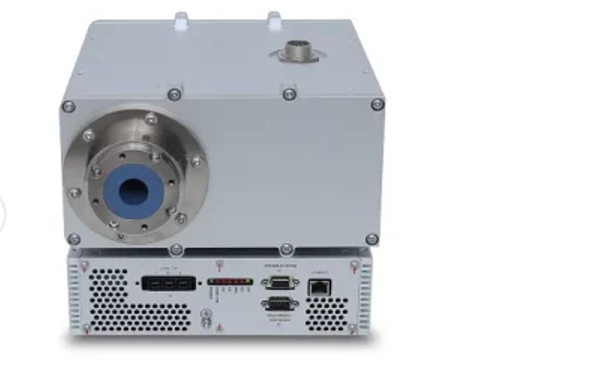
A high voltage power supply for x ray tube is an important part of this system because it provides the electrical potential required to operate the X-ray tube. Its performance can influence tube operation, exposure consistency, image quality, and overall equipment reliability. Modern power solutions are designed with attention to voltage regulation, current control, electrical protection, thermal management, and system compatibility. For healthcare facilities and equipment manufacturers, selecting appropriate power components requires consideration of technical specifications, operating conditions, maintenance requirements, and integration with the wider imaging system. A carefully matched power solution can support dependable equipment performance and contribute to consistent imaging workflows.
X-ray power systems must balance electrical precision, operational stability, protection, and compatibility to support consistent equipment performance.
Stable voltage is essential for controlled X-ray tube operation. Variations in electrical output can affect exposure conditions and imaging consistency. Modern power supplies incorporate regulation systems designed to maintain appropriate electrical parameters during operation. Reliable voltage control can therefore contribute to predictable performance while helping protect connected components from undesirable electrical fluctuations.
Tube current influences the quantity of X-rays produced during an exposure. Accurate current control allows the imaging system to operate according to its specified exposure parameters. Power systems should therefore provide controlled electrical output and respond appropriately to changing operating requirements. Consistent current management can support repeatable imaging conditions across different examination settings.
High-voltage equipment requires appropriate protection against electrical faults and abnormal operating conditions. Protection mechanisms can help manage issues such as overloads, short circuits, voltage irregularities, or other conditions that could affect system components. Properly designed protection improves equipment reliability, supports safer operation, and reduces the potential impact of electrical faults.
Power conversion generates heat, making thermal management an important consideration in high-voltage systems. Excessive heat can affect component performance and service life if it is not managed appropriately. Cooling systems, component selection, enclosure design, and operating conditions can all influence thermal performance. Effective heat management supports stable operation during repeated imaging cycles.
The electrical power architecture of an X-ray system converts incoming electrical energy into controlled high-voltage output required by the imaging tube. This process involves multiple components working together, not a single isolated device.
A high voltage power supply for x ray tube typically forms part of a broader system that includes:
Modern systems may use advanced electronic control technologies to regulate output more precisely. Feedback mechanisms can monitor electrical parameters and help maintain desired operating conditions, improving consistency as exposure requirements change.
See also: How AI Flyer Makers Help Increase Brand Awareness
Selecting a power solution requires more than considering maximum voltage. Evaluate the complete operating environment and equipment architecture before selecting a component.
Voltage, current, power capacity, frequency, and operating range should correspond with the requirements of the X-ray tube and associated equipment. Choosing components with unsuitable electrical ratings can affect performance and may create compatibility concerns.
The expected frequency and duration of exposures can influence power-system requirements. Equipment used for frequent imaging may require components designed for repeated operation and appropriate thermal performance. Understanding the expected duty cycle helps ensure the selected power solution matches actual usage.
Consider available installation space, mounting arrangements, connectors, cable routing, and enclosure requirements during system design. Physical compatibility can be just as important as electrical specifications when integrating power components into existing imaging equipment.
Modern X-ray systems may rely on electronic controls to coordinate power output with exposure settings. Compatibility between the power system and control architecture can therefore be important. Review communication and feedback requirements before integration to ensure appropriate system coordination.
Electrical power quality can influence the consistency of X-ray tube operation. Stable, accurately controlled electrical parameters help the imaging system operate under its intended exposure conditions.
Unstable electrical output can create operational inconsistencies and may place additional stress on components. Appropriate regulation and monitoring can help maintain more predictable system behavior.
Power quality should therefore be considered alongside tube specifications, generator design, and control requirements. A properly matched system can help support consistent operation while reducing avoidable electrical disturbances.
An imaging system’s reliability depends on the performance of its interconnected components. Power supplies, generators, tubes, control systems, cooling arrangements, and protective circuits must operate within their specified parameters.
Component quality can therefore influence maintenance requirements, operational stability, and equipment longevity. Proper technical documentation and specification matching are important when selecting or replacing power components.
Manufacturers and equipment service providers should also consider applicable standards and safety requirements during system development and maintenance. Qualified technical professionals can help verify compatibility and ensure that installation and servicing procedures follow appropriate requirements.
Reliable electrical power is fundamental to the operation of X-ray imaging equipment. Stable voltage, accurate current control, thermal management, electrical protection, system compatibility, and appropriate maintenance can collectively support dependable equipment performance.
For organizations evaluating a generator for x ray machine, VJ X-Ray provides X-ray-related power and equipment solutions designed for different imaging applications. Their offerings support equipment manufacturers, service providers, and healthcare environments that require suitable power-system components. Before selecting any component, technical teams should review electrical ratings, tube requirements, operating conditions, integration specifications, and applicable safety standards. A carefully engineered power solution can support consistent X-ray system operation while contributing to reliable, efficient imaging workflows.