
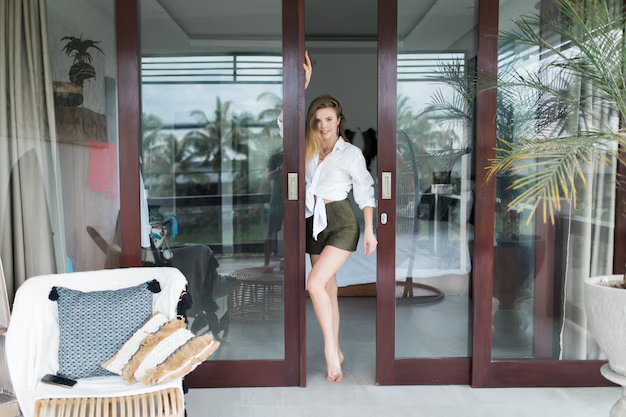

A well-designed sliding door can change how a room feels, functions, and connects with the rest of a property. For homeowners searching for custom sliding doors near me, the goal is often more than finding a replacement for a traditional hinged door. It is about choosing a door that fits the available space, complements the interior, and provides the right balance of privacy, light, and accessibility. Luxurious Glass offers options that can be designed around different room layouts, architectural details, and personal preferences.
Why Custom Sliding Doors Are Worth Considering
Sliding doors operate along a track rather than swinging into a room. That simple difference can make a noticeable impact in areas where floor space is limited. Furniture can be placed closer to the doorway, walkways remain more open, and smaller rooms can feel less crowded.
Customization also allows homeowners to consider measurements and design details that standard-size doors may not accommodate. A custom door can be planned around an unusually wide opening, a particular ceiling height, or an existing architectural feature.
The visual effect matters, too. Large glass panels can allow natural light to travel between rooms while maintaining a clear connection between spaces. Depending on the glass and frame selected, the door can provide an open appearance without sacrificing the level of privacy a room requires.
Popular Sliding Door Styles for Different Interiors
Sliding doors are available in several configurations, making them suitable for bedrooms, bathrooms, living areas, offices, closets, and other parts of a home.
Frameless Glass Sliding Doors
Frameless designs use minimal visible hardware, giving the glass a clean appearance. They work particularly well in contemporary interiors where uninterrupted sightlines are desirable.
These doors can also make compact spaces appear more open. In a bathroom, for example, a frameless sliding enclosure can provide separation without creating the visual weight of a solid wall.
Framed Sliding Doors
Framed doors have a visible structure around the glass panel and can provide a more defined architectural appearance. The frame can complement other finishes throughout a room, including hardware, cabinetry, and lighting fixtures.
They are a practical choice for homeowners who prefer a more traditional or structured look.
Barn-Style Sliding Doors
Barn-style sliding doors sit on an exposed track above the doorway and have a distinctive decorative character. Glass panels can give this familiar style a lighter appearance while retaining its visual impact.
They can work well in dining areas, offices, bedrooms, and other interior spaces where a statement door is appropriate.
Pocket Sliding Doors
Pocket doors slide into a wall cavity when opened. This design keeps the doorway completely clear and can be particularly useful in rooms where every inch of floor space matters.
Installation may require suitable wall construction, so the wall structure should be assessed before choosing this configuration.
Multi-Panel Sliding Doors
For wider openings, multiple sliding panels can provide greater coverage while maintaining an expansive glass appearance. Depending on the track configuration, panels can stack or move across one another.
This style can be useful for larger rooms, entertainment areas, or openings that connect interior spaces.
Choosing the Right Glass
The glass is one of the most noticeable components of a sliding door, but its appearance is only one consideration. Different glass types can provide different levels of privacy, light transmission, and visual texture.
Clear glass provides maximum visibility and natural light. It is often selected for living spaces where an open connection between rooms is desirable.
Frosted or textured glass offers greater privacy while still allowing light to pass through. This makes it useful for bathrooms, bedrooms, offices, and other areas where complete transparency may not be appropriate.
Tinted glass can introduce a subtle color effect and reduce glare in certain applications. Decorative glass options can also add texture or visual interest without relying on additional wall décor.
For safety, glass doors should use glass products appropriate for the intended application and comply with applicable building requirements.
Frame Materials and Finishes
The frame influences both the appearance and construction of a sliding door. Aluminum is frequently used because it is relatively lightweight, durable, and available in a range of finishes.
Wood can create a warmer appearance and coordinate with traditional interiors. It may require more maintenance depending on the finish and surrounding conditions.
Some designs use very little framing to keep attention on the glass itself. This can create a clean visual effect, especially in contemporary homes.
The right material depends on the door’s location, expected use, surrounding décor, maintenance preferences, and budget. Hardware should also be considered because handles, rollers, tracks, and other components affect how the door looks and operates.
Benefits Beyond Appearance
A custom sliding door can provide several practical advantages.
Better use of floor space: Since the door moves horizontally, it does not require a swing area. This can make furniture placement easier.
More natural light: Glass panels can allow daylight to pass between connected rooms, reducing the enclosed feeling that solid doors sometimes create.
Improved room separation: Sliding doors can divide areas without permanently closing them off. A home office, for example, can be separated from a living area when privacy is needed.
Design flexibility: Custom dimensions, glass choices, frame styles, and hardware allow the door to coordinate with the existing interior.
Easy access: A properly installed sliding door can provide a wide opening without requiring the clearance needed by a conventional hinged door.
Visual openness: Glass can maintain sightlines between rooms, which is useful for open-plan homes where homeowners want separation without losing visual connection.
Where Sliding Doors Work Well
Living rooms are a natural location for larger sliding doors, especially where one space needs occasional separation from another. Glass panels can preserve light and visibility while reducing noise and creating a clearer boundary.
Bedrooms can benefit from sliding doors for closets, bathrooms, or room entrances. Frosted glass is particularly useful where privacy is needed.
Home offices can use sliding glass doors to establish a dedicated workspace without making the room feel isolated. Closing the door can create a physical boundary while maintaining daylight.
Bathrooms may benefit from sliding glass doors for showers or room divisions. The appropriate glass type and hardware should be selected based on moisture exposure and cleaning requirements.
Closets are another practical application. A sliding door can eliminate the swing clearance required by conventional closet doors, leaving more usable space in front of the storage area.
What to Check Before Ordering
Accurate measurements should be taken before a custom door is designed. The width, height, wall structure, available track space, and surrounding surfaces can all affect the final configuration.
Consider how frequently the door will be used. A door in a busy hallway may require hardware designed for frequent operation, while a decorative room divider may have different requirements.
Think about privacy before choosing glass. Clear glass may be ideal for some spaces but unsuitable for bathrooms or bedrooms. Frosted, textured, or tinted options can provide alternatives.
Maintenance should also be part of the decision. Glass surfaces require regular cleaning, while tracks and rollers may need occasional attention to keep the door moving properly.
Finally, installation should be handled carefully. Proper alignment of the track and hardware is essential for smooth operation and long-term performance.
Finding a Custom Sliding Door That Fits Your Space
The right sliding door starts with the room rather than a catalog image. Measurements, surrounding finishes, natural light, privacy requirements, and everyday use all influence the appropriate design.
A custom approach gives homeowners greater control over those details. Instead of adjusting the room to accommodate a standard door, the door can be planned around the existing space.
Luxurious Glass can help homeowners consider suitable glass styles, configurations, framing, and hardware for their projects. Reviewing samples and discussing measurements before ordering can also make the selection process more straightforward.
A Practical Design Choice for Modern Homes
Sliding doors can serve a functional purpose while also contributing to the character of a room. The right combination of glass, framing, hardware, and dimensions can make a doorway feel lighter, improve the use of available space, and provide flexible separation between rooms.
For homeowners comparing custom sliding doors near me, it is worth considering how the door will be used every day rather than choosing based solely on appearance. A carefully selected design should suit the room, handle its expected use, and complement the property’s existing features. For help reviewing available options and planning a suitable design, contact us toda to discuss your project and requirements.