Newsletter Subscribe
Enter your email address below and subscribe to our newsletter

 ByJohn A
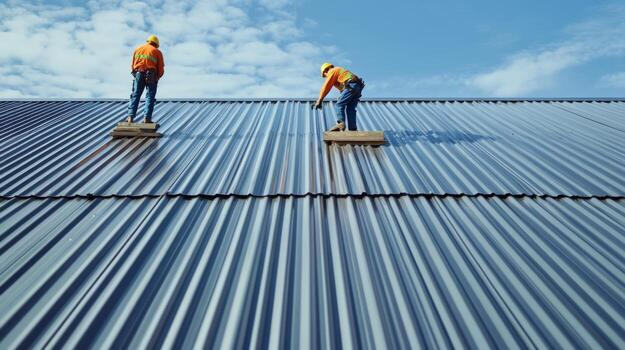
A commercial roof has to handle more than rain and sunlight. It protects employees, equipment, inventory, and the building itself while supporting normal business operations. The quality of the installation can affect how well the roof handles weather, drainage, temperature changes, and daily wear. Commercial Roof Installation should therefore be planned around the building, local climate, roofing material, drainage needs, and expected service life. Small installation details can also affect maintenance needs and the chance of leaks later.
Every commercial property has different structural and operational requirements. A warehouse may have a large low-slope roof, while an office building may have several roof sections, equipment areas, and penetrations.
Before installation begins, contractors need to consider:
A roofing system should work with the building rather than simply cover it. Poor planning around rooftop equipment or structural limitations can create problems during installation and maintenance.
The roofing material has a direct effect on durability, maintenance, energy use, and expected service life. There is no single material that fits every commercial property.
Common commercial roofing options include:
Nailed It Roofing Pros lists TPO, modified bitumen, metal, built-up, and flat roofing systems among its commercial roofing options. The right material should be selected based on the property’s actual needs rather than choosing a system based only on its initial price.
Water is one of the biggest concerns for commercial roofs, particularly on flat and low-slope buildings. A roof does not have to be steep to drain properly, but it does need a well-planned drainage system.
During installation, contractors should account for:
Ponding water can place extra stress on roofing materials and may contribute to leaks or premature deterioration. A good drainage plan helps move rainwater away from the roof before it creates long-term problems.
Even a high-quality roofing material can perform poorly if it is installed incorrectly. Seams, flashing, fasteners, edges, and penetrations all need careful attention.
Common installation details include:
Climate should be considered before selecting and installing a commercial roofing system. Houston properties can experience intense heat, strong sunlight, heavy rain, high humidity, hail, and severe storms. The reference service page for Nailed It Roofing Pros specifically highlights the need for commercial roofing systems to handle Houston’s heat, humidity, rainfall, hail, high winds, and severe weather. A commercial roof in this type of climate should be planned with weather exposure in mind. Material selection, drainage, flashing, membrane installation, and maintenance all contribute to how the roof handles these conditions.
Commercial buildings often have HVAC units, vents, pipes, electrical equipment, and other systems located on the roof. Each penetration creates another area that needs proper detailing. Poorly planned equipment placement can make installation more difficult and may create additional maintenance concerns.
Roof planning should account for:
Protective walk pads may also be useful in areas that receive frequent foot traffic. Keeping regular service routes in mind during installation can reduce unnecessary wear on the roofing surface.
A commercial roof can influence the indoor temperature of a building. Roofing materials, insulation, surface properties, and overall system design can affect how much heat enters the building. For businesses with large buildings, energy performance can be a practical consideration during a roofing project. A suitable roofing system may help reduce the demand placed on heating and cooling equipment.
Factors to review include:
Energy performance should be considered alongside durability and maintenance rather than treated as a separate issue.
Commercial roofing projects need to meet applicable building codes and installation requirements. These rules can cover areas such as structural safety, fire resistance, wind performance, drainage, and materials. Contractors also need to follow the roofing manufacturer’s installation specifications. Using the correct materials is only part of the process. They must also be installed according to the system’s requirements. For property owners, it is useful to confirm that the contractor understands the applicable local requirements before work starts. Proper documentation and inspections can also help keep the project organized.
A roof’s performance does not depend on installation alone. Regular inspections and maintenance can help identify small issues before they become expensive problems.
Useful maintenance tasks include:
Nailed It Roofing Pros also recommends routine inspections, debris removal, drainage cleaning, sealant and flashing checks, and minor corrective repairs as part of commercial roof maintenance. Keeping maintenance records can also help property owners track recurring issues and plan future roofing work.
Some roofing problems become visible before serious interior damage occurs. Property managers should pay attention to changes in the roof and the building below it.
Warning signs can include:
A professional inspection can help determine whether the issue requires a small repair, maintenance work, or a larger roofing project.
Commercial roofing is a major property investment, so the installation should be considered as part of the building’s long-term maintenance plan. Material selection, drainage, workmanship, weather exposure, rooftop equipment, insulation, and regular inspections can all influence how the system performs. A well-planned Commercial Roof Installation gives the property a stronger starting point, but ongoing care is still needed to protect that investment. Planning a commercial roof installation? Contact Nailed It Roofing Pros today to discuss your roofing needs, schedule an inspection, and find the right solution for your Houston commercial property.